

Elevating White: Textures, Tones & Sparkle for a Dynamic Monochromatic Look
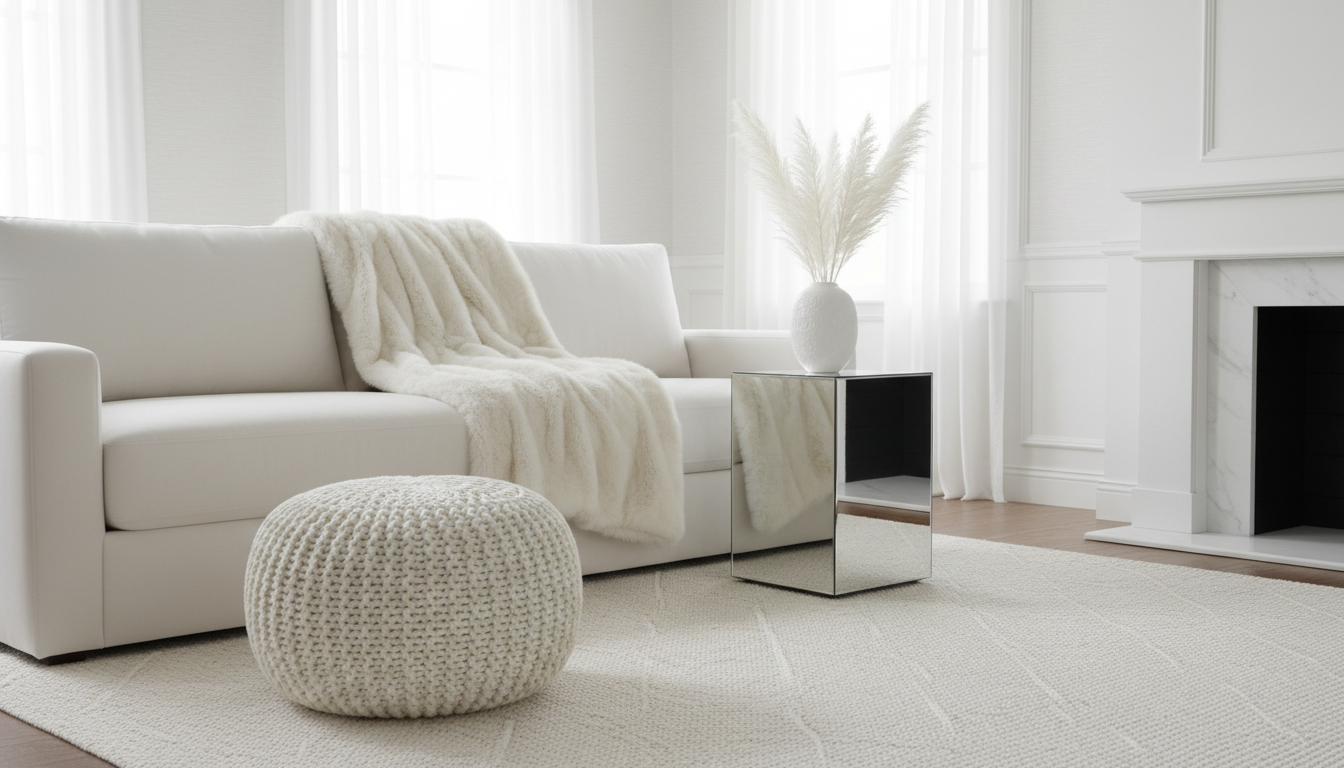
The allure of a pristine white interior is undeniable – it evokes serenity, cleanliness, and a sense of spaciousness. However, a purely monochromatic white scheme, without careful consideration, can sometimes feel stark, cold, or even a bit bland. The secret to transforming a flat white room into a captivating, multi-dimensional sanctuary lies in mastering the interplay of textures, tones, and subtle sparkle. This guide will show you how to infuse your white spaces with warmth, depth, and visual intrigue, creating an environment that is anything but one-note.
The Foundation: Understanding White Tones and Undertones
Not all whites are created equal. Just like a painter uses a palette of colors, an interior designer uses a spectrum of whites. From crisp, cool whites with hints of blue or gray to creamy, warm whites infused with yellow or beige, each tone sets a different mood. A brilliant, pure white can feel modern and minimalist, while an off-white like ivory or ecru can add a timeless, soft elegance. Layering these subtle variations is your first step to creating depth.
Before you commit, it’s crucial to see how different whites interact with your room's natural light and existing elements. Room Visualizer. This tool can help you identify the perfect white that complements your home's unique ambiance.
Tactile Layers: Weaving in Diverse Textures for Depth
Texture is arguably the most powerful tool for elevating a white scheme. It invites touch, adds visual weight, and prevents a room from appearing flat. Think of it as creating a sensory experience, where every surface tells a story, even within a single color palette.
Soft & Cozy: Plush Fabrics and Knits
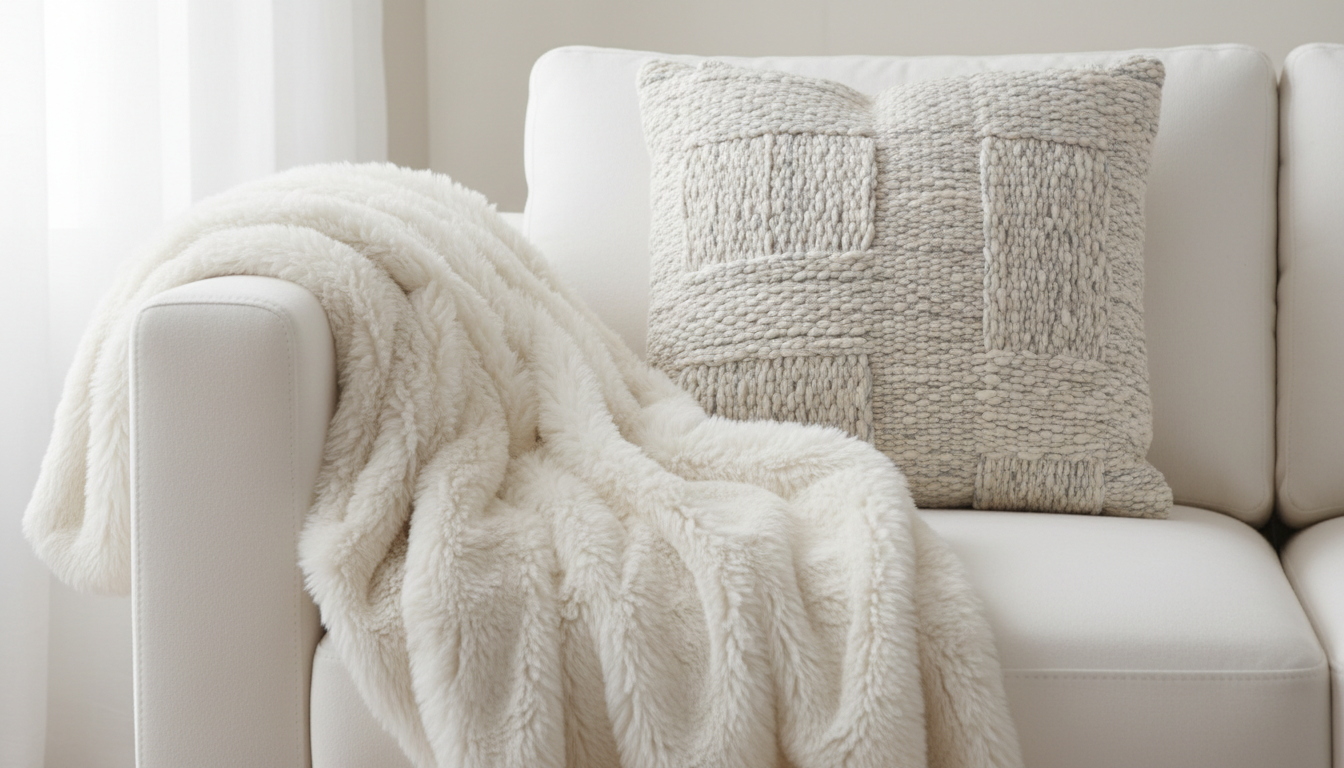
Introduce comfort and warmth with sumptuous textiles. Imagine a chunky knit throw draped over a crisp white sofa, a faux fur rug beneath a minimalist bed, or linen curtains gently filtering light. These materials absorb light differently, creating soft shadows and highlights that break up the monotony. Velvets, wool, and even textured cotton can add a tactile dimension that begs to be touched. Texture Replacer.
Raw & Refined: Natural Elements
Incorporate materials from the natural world to ground your white space and add an organic, earthy feel. Light-toned wood (like bleached oak or birch) for furniture or flooring, woven rattan baskets, ceramic vases with a matte finish, or even a polished marble countertop can introduce subtle variations in texture and tone. These elements provide a beautiful contrast to softer fabrics and prevent the room from feeling too sterile.
Sleek & Smooth: Polished Surfaces
To balance the softness, introduce some sleek, smooth, and hard textures. A high-gloss white lacquer coffee table, polished concrete floors, or a smooth ceramic planter can create visual tension and reflect light, adding a contemporary edge. These elements provide a necessary counterpoint to plush fabrics and raw woods, creating a well-rounded textural experience.
A Touch of Sparkle: Reflecting Light and Glamour
While texture adds depth, sparkle adds light and an unexpected touch of glamour. This doesn't mean disco balls; rather, it refers to strategic use of reflective materials that catch and bounce light around the room, enhancing the overall brightness and adding a dynamic quality.
Strategic Shine: Introducing Metallic Accents
A touch of gold, silver, brass, or chrome can instantly elevate a white room. Think about metallic photo frames, lamp bases, cabinet hardware, or even a decorative sculpture. These elements act like jewelry for your home, drawing the eye and adding a sophisticated glimmer. The color of the metal can also influence the room's temperature – warm brass and gold complement creamy whites, while cool chrome and silver pair beautifully with starker tones.
Subtle Gleam: Glass, Mirrors, and Crystal
Transparent or translucent materials are excellent for adding sparkle without introducing another color. A large mirror can amplify light and space, while glass vases, crystal decanters, or a subtly beaded chandelier can create delicate refractions. These elements add an airy elegance and contribute to the overall luminous quality of a white interior. (Visualize various white decorative objects, from textured ceramics to gleaming metallics, in your own space with our AI Home Decor Ideas
Bringing It All Together: A Cohesive White Scheme
The key is balance. Start with a foundational white tone, then progressively add layers of texture and subtle touches of sparkle. Don't feel pressured to include every single material type in one room. Instead, select a few complementary textures and one or two metallic finishes that resonate with your personal style. Vary the scale of your textured pieces – a large rug, a medium-sized throw, and small decorative items – to create visual interest without overwhelming the space.
Thoughtful lighting, both natural and artificial, is also crucial. It highlights textures, makes sparkle shine, and ensures your white space feels inviting at any time of day.
Transform Your White Space into a Masterpiece
Elevating a white monochromatic scheme is an art form that transforms simplicity into sophistication. By consciously layering diverse textures, embracing the subtle variations in white tones, and introducing thoughtful touches of sparkle, you can create a dynamic, inviting, and truly unique living environment. Don't shy away from white; instead, empower it to tell a richer, deeper story within your home. Experiment, play, and watch your white rooms come alive with character and charm.